Are Bloating and Constipation the Same? Here’s What You Need to Know
Have you ever felt like your stomach was a balloon about to pop? Many people use the terms “bloated” and “constipated” interchangeably, but they are actually two different things that often happen at the same time. Understanding the difference is the first step to feeling better.
What Exactly is Bloating?
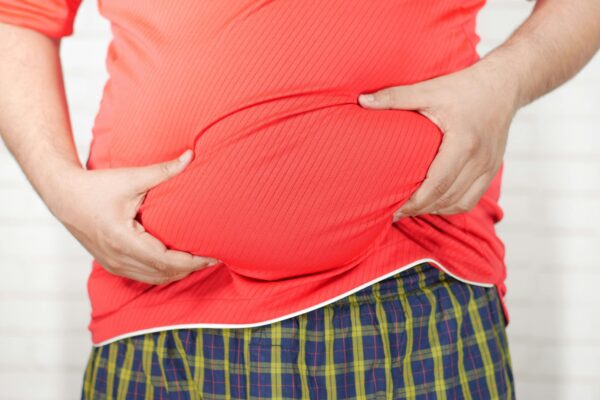
Bloating is that uncomfortable feeling of fullness, tightness, or pressure in your abdomen. According to Johns Hopkins Medicine, your stomach might actually look bigger (this is called distention), or it might just feel heavy. It is usually caused by gas building up in your digestive system or swallowed air.
What is Constipation?
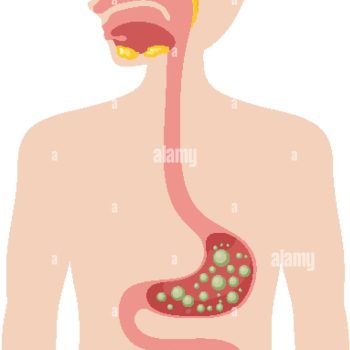
Constipation is a bit different. It refers to your bowel movements—specifically, having fewer than three per week or having stools that are hard, dry, and difficult to pass. As explained by Healthline, constipation is about the “exit” of waste from your body, while bloating is about the “pressure” inside.
Are They the Same?
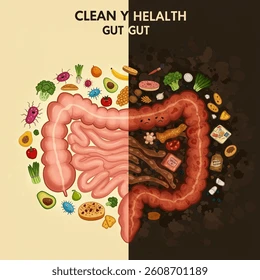
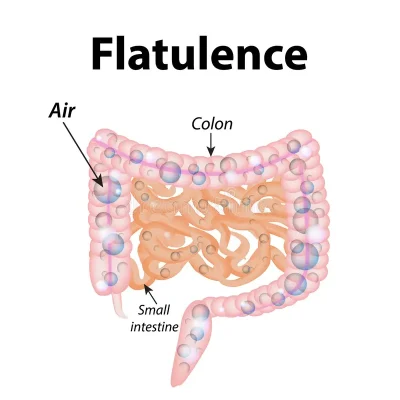
The short answer is: No, but they are “best friends.” While they are different conditions, constipation is one of the biggest causes of bloating. When stool stays in your colon for too long, bacteria have more time to ferment the waste, which creates extra gas. This gas gets trapped behind the slow-moving stool, leading to that “inflated” feeling in your belly.
Common Causes for Both
Aside from constipation, Subang Jaya Medical Centre notes that bloating can be caused by eating too fast, drinking carbonated sodas, or even stress. Certain foods like beans, broccoli, or dairy can also create excess gas. If you are constipated, it is often because of a lack of fiber, not drinking enough water, or a lack of physical movement.

Simple Tips for Relief
If you are struggling with both, there are easy ways to find relief. Experts suggest eating smaller meals more frequently and walking after eating to help move gas through your system. Increasing your water intake is also vital, as it helps soften stool and prevents constipation from starting in the first place.

When Should You See a Doctor?
Most of the time, these issues go away with a few lifestyle changes. However, if your bloating is accompanied by severe pain, weight loss, or persistent changes in your bathroom habits, you should consult a healthcare professional. Keeping a food diary can also help you identify which specific foods are triggering your discomfort.